A New Scorecard for Christmas Eve
Most of us will evaluate our Christmas Eve services the same way we always have. Attendance. Offering. First-time guest cards. And on December 26th, we’ll either feel good or disappointed based on whether those numbers went up or down from last year.
I’m not here to tell you those numbers don’t matter. They do. But I’ve been trying to get at some more meaningful metrics lately. We’re in the middle of a shift at our church. For years, we operated out of what you might call an attractional model. Big events, excellent production, cast the widest net possible. And honestly, God has used it. People have met Jesus. I would never throw that model under the bus. It has served us well.
But as we’ve leaned more into a disciple-making posture, one of the first things that needs to shift is the scorecard we use to measure things.Making disciples and increasing attendance aren’t always measuring the same outcome.
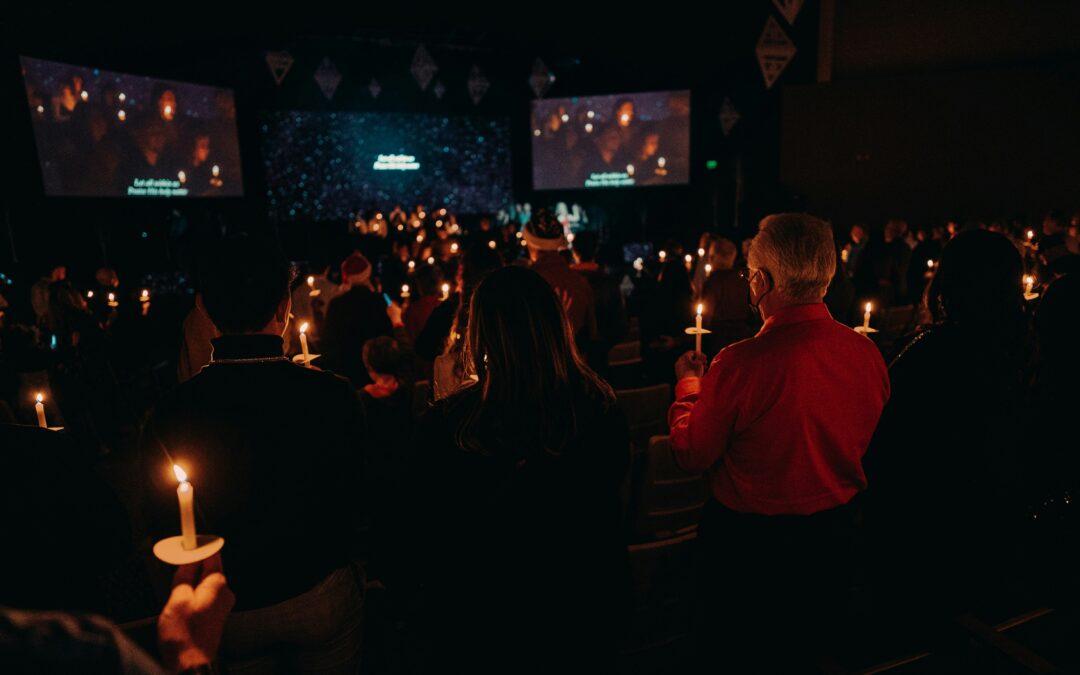
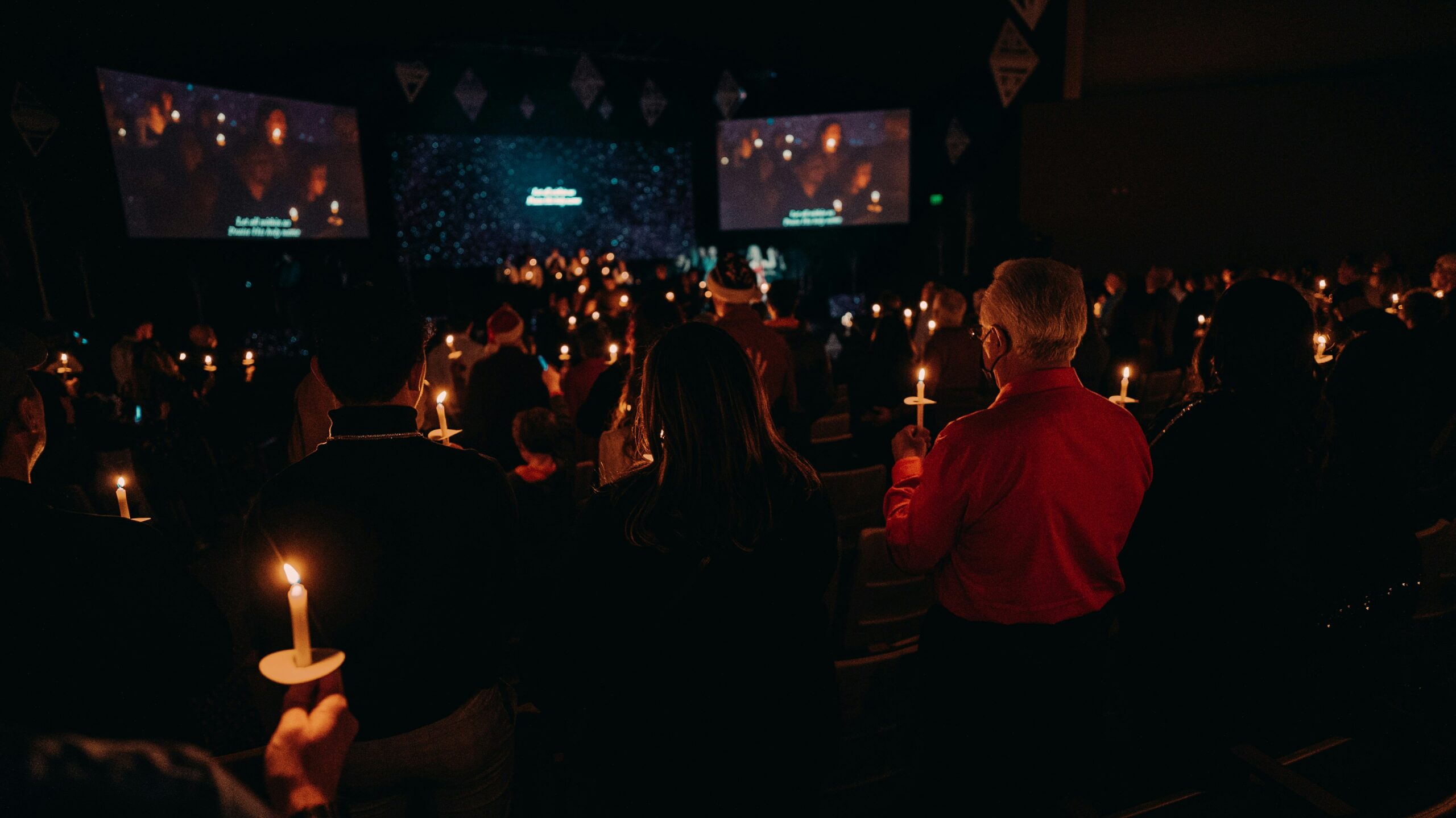
So this year, we’re keeping our big attractional Christmas Eve service. We still believe in it. A city-facing, high-invite moment creates a wide on-ramp for people who would never walk into a church on a random Sunday. Jesus attracted crowds. We’re not afraid of crowds.
But we’ve been asking a different question behind the scenes: What if the win isn’t just who showed up, but who we became during the leadup? Here are a few metrics we’re paying closer attention to this year. Not instead of the old metrics, but at least alongside them (maybe even above them).
1. Volunteers Developed, Not Just People Attending
The old measure: How many people attended the event?
The new measure: How many volunteers were we intentional about developing through the event?
There’s a difference between filling seats and forming people. Christmas Eve requires a small army of servants, and that’s an enormous discipleship opportunity hiding in plain sight. But only if we’re paying attention.
This year, what if we asked:
- Did team leaders have real conversations with their volunteers about calling and spiritual growth?
- Did we create space for new people to serve and be mentored?
- Did we debrief and celebrate in ways that reinforced identity and mission, not just task completion?
The Christmas Eve service is a discipleship opportunity. But only if we treat it that way.
2. Generosity Sent Out, Not Just Dollars Brought In
- The old measure: How much did we receive in the Christmas offering?
- The new measure: How much did we give away to bless our community?
To be clear, I’m not against receiving offerings. Generosity flows in both directions. But if the only financial story we’re telling at Christmas is “here’s what came in,” we might be missing the point of the season.
For years, we have partnered and spotlighted local agencies and made it a priority to give generously and visibly to their causes. Not for the PR, but because it reorients our church’s posture. We’re not just here to grow. We’re here to bless.
3. Invitations Rooted in Relationship, Not Just Mass Marketing
- The old measure: How many people saw our social media posts and billboards?
- The new measure: How many of our people personally invited someone they’ve been genuinely investing in?
Marketing has its place. But the most powerful invitation an unchurched person can receive is still a personal one from someone who actually knows them. It’s just how trust works in a skeptical age.
What if we coached our churches to notice the lives of the people around them before extending an invitation. Not “who can I get to come,” but “who has God already placed in my life that I’ve been caring for?”
If the only invitations to your Christmas Eve service came from the church’s ad budget and not from the relational investment of your people, that’s worth noticing.
4. Spiritual Conversations, Not Just Decisions Counted
- The old measure: How many people filled out a response card or prayed the prayer?
- The new measure: How many real spiritual conversations happened, both during the event and in the days that followed?
I’m not against response cards. Clear invitations to follow Jesus matter. But sometimes our obsession with counting “decisions” causes us to miss what’s actually happening in people’s lives. Faith often doesn’t start with a card. It starts with a conversation.
What if we asked:
- Did the people who invited guests actually talk with them afterward about what they experienced?
- Did our volunteers and greeters have real interactions, or just efficient ones?
- Are we following up with guests through relationships, not just systems?
The best follow-up is when the person who invited them texts to grab coffee.
5. First-Time Servants, Not Just First-Time Guests
- The old measure: How many people attended for the first time?
- The new measure: How many people served for the first time?
People who serve early stick longer. There’s something about moving from consumer to contributor that accelerates spiritual formation. Spectators can stay on the sidelines indefinitely. Servants get drawn into the family.
Christmas Eve is one of the best times to give newer people an easy on-ramp to serving. Low-commitment roles that still make them feel like they belong. When someone says, “That was my first time serving at church,” that’s worth celebrating just as much as a first-time guest.
A Different Scoreboard
After saying all of this, let me be clear, I still care about attendance. I want the room full. I want as many people as possible to hear the gospel and encounter Jesus. That’s not something to apologize for.
But we’re trying to learn that if attendance is the only thing we’re measuring, we can build a church that’s wide but shallow. We can celebrate crowds while neglecting the slow, unglamorous work of actually forming people into disciples.
So, what if this year, alongside the attendance count, you also counted:
- How many volunteers were genuinely developed?
- How many dollars did we give away?
- How many personal invitations extended from real relationships?
- How many spiritual conversations were had?
- How many new people stepped into serving for the first time?
That’s a different scorecard. And it might be a more honest reflection of whether we’re actually making disciples or just drawing crowds.
A Question to Sit With:
When your team debriefs Christmas Eve this year, what will you celebrate first? The answer might reveal, more than your mission statement, what you truly value.